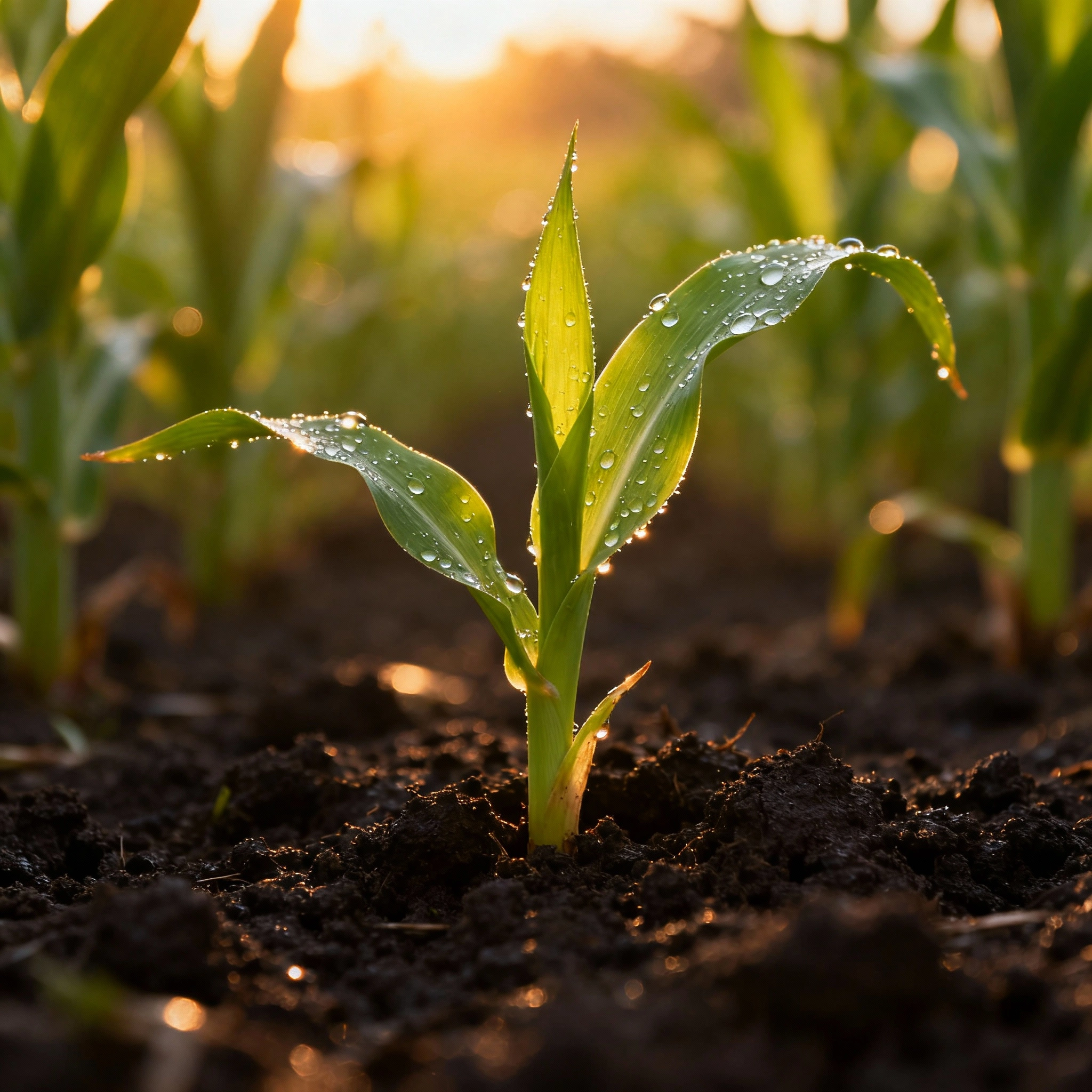
Polylactic Acid (PLA)
Driving India's Biotech Revolution
Bio-based, compostable polymer from renewable corn. Creating jobs for freshers, developing special PLA blends, and pioneering end-of-life solutions for a truly circular bioeconomy.
Driving India's Biotech Revolution
Bio-based, compostable polymer from renewable corn. Creating jobs for freshers, developing special PLA blends, and pioneering end-of-life solutions for a truly circular bioeconomy.
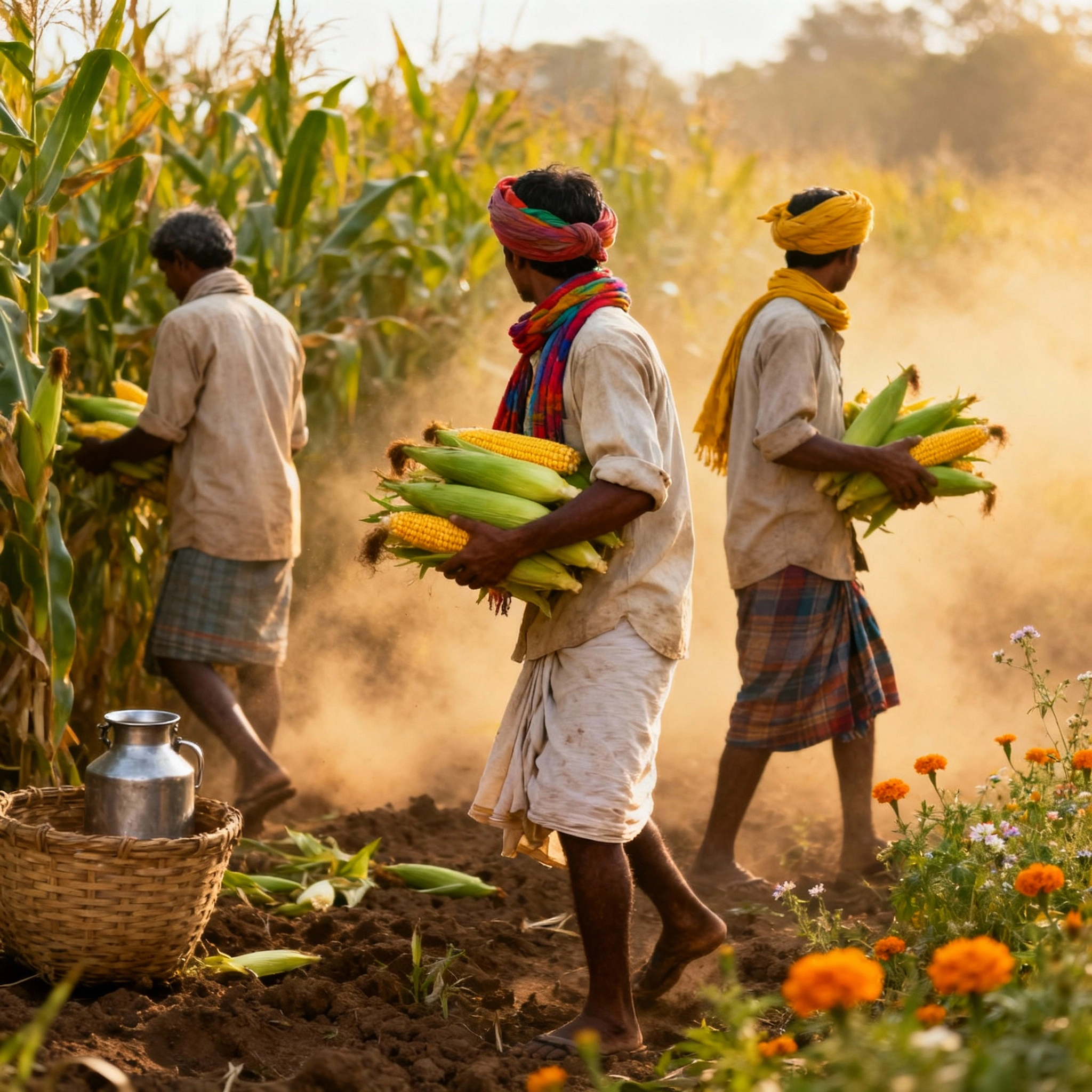
From Corn to Sustainable Materials
Polylactic Acid (PLA) is a biobased, biodegradable, and industrially compostable polymer derived from renewable plant sources such as corn starch, sugarcane, cassava, or other carbohydrate-rich biomass.
Unlike conventional plastics made from petroleum, PLA originates from plant sugars, making it one of the world's most commercially successful bioplastics. PLA is an aliphatic polyester formed through the polymerisation of lactic acid, converted from plant-derived glucose into lactic acid, then into lactide, and finally polymerised into PLA resin.
PLA belongs to the family of thermoplastics, meaning it softens with heat and hardens when cooled—making it compatible with standard plastic processing machinery. Produced at India's first corn-based biopolymer plant, integrated with renewable energy and energy storage systems.
PLA bioplastics are made from renewable plant resources such as corn starch, tapioca roots, and sugarcane. The process involves fermentation and polymerization, breaking down naturally without leaving toxic residues.
Our manufacturing starts with agricultural feedstock, converted into sugar through enzymatic processes. This sugar is fermented to produce lactic acid, then polymerized to create high-quality PLA resin. Integrated with renewable energy and energy storage systems.
PLA offers excellent mechanical properties: high tensile strength, good transparency, and thermal stability. Processed using conventional plastic manufacturing equipment, making it an easy drop-in replacement for traditional plastics.
Comprehensive circular economy with zero-waste end-of-life management
Our comprehensive end-of-life solutions ensure every PLA product completes the circular economy cycle. From industrial composting to mechanical recycling, chemical recycling, and biogas conversion—we guarantee zero waste while creating value through renewable energy and biofertilizers for sustainable agriculture.
Corn and sugarcane from Indian farmers, supporting rural employment
Creating 500+ skilled jobs in biotechnology and manufacturing
10+ custom formulations for packaging, textiles, medical devices
Reprocessing used PLA into new products, extending material life
Converting PLA into nutrient-rich biofertilizers for agriculture
Anaerobic digestion producing renewable energy and closing the loop
Developing 10+ specialized formulations for diverse industries with complete end-of-life solutions
Clear cups, lids, trays, clamshells, cutlery, straws
Food safety, clarity, industrial composability
Mailer bags, protective packaging, shipping materials
Durable, lightweight, sustainable branding
Disposable trays, specimen containers, medical packaging
Sterile, safe, compliant with medical standards
Mulch films, plant pots, seedling trays, agricultural films
Biodegradable in soil, no plastic residue
Cosmetics packaging, toy components, 3D-printed prototypes
Versatile, customizable, eco-friendly appeal
PLA fibres for nonwovens, apparel blends, technical textiles
Soft, moisture-wicking, naturally antimicrobial
Our comprehensive end-of-life management includes industrial composting, mechanical recycling, chemical recycling, and biogas conversion—ensuring zero waste and maximum resource recovery.
Encode Life PLA Specifications & Properties
| Property | Value | Unit |
|---|---|---|
| Appearance | Off-white to translucent pellets | - |
| Density | 1.24-1.26 | g/cm³ |
| MFI (210°C/2.16kg) | 6-18 | g/10 min |
| Vicat Softening Temp | 55-65 | °C |
| Glass Transition (Tg) | 55-60 | °C |
| Melting Point (Tm) | 150-170 | °C |
| Tensile Strength | 50-70 | MPa |
| Elongation at Break | 3-10 | % |
| Flexural Modulus | 2.5-3.5 | GPa |
| Biobased Content | ≥98 | % |
All specifications are typical values and may vary slightly depending on grade and application. Contact us for detailed technical data sheets and application-specific recommendations.
Transforming agricultural feedstock into high-performance bioplastics through sustainable manufacturing
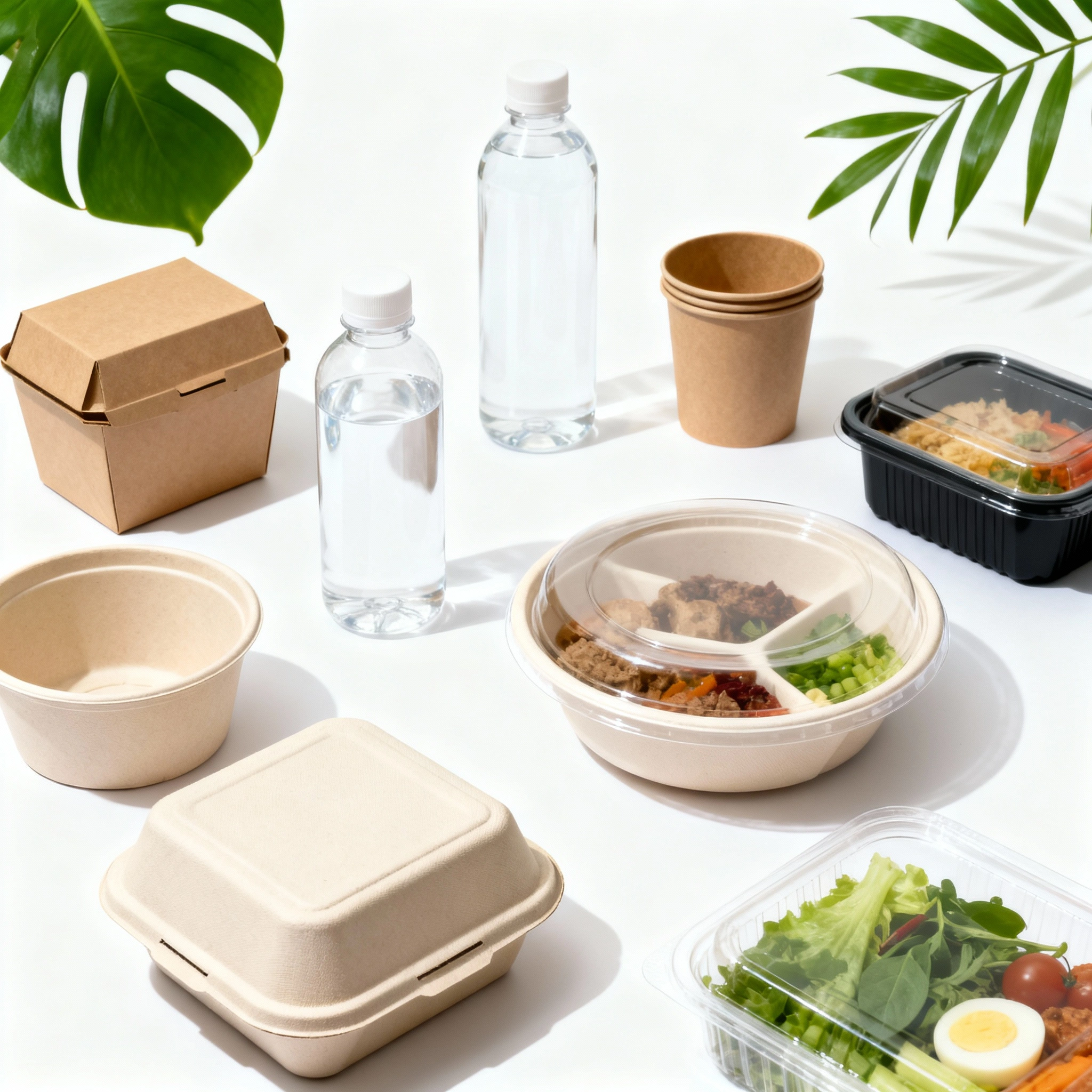
Corn, sugarcane, or cassava from sustainably managed agricultural sources
Mechanical and enzymatic extraction of starch from agricultural feedstock
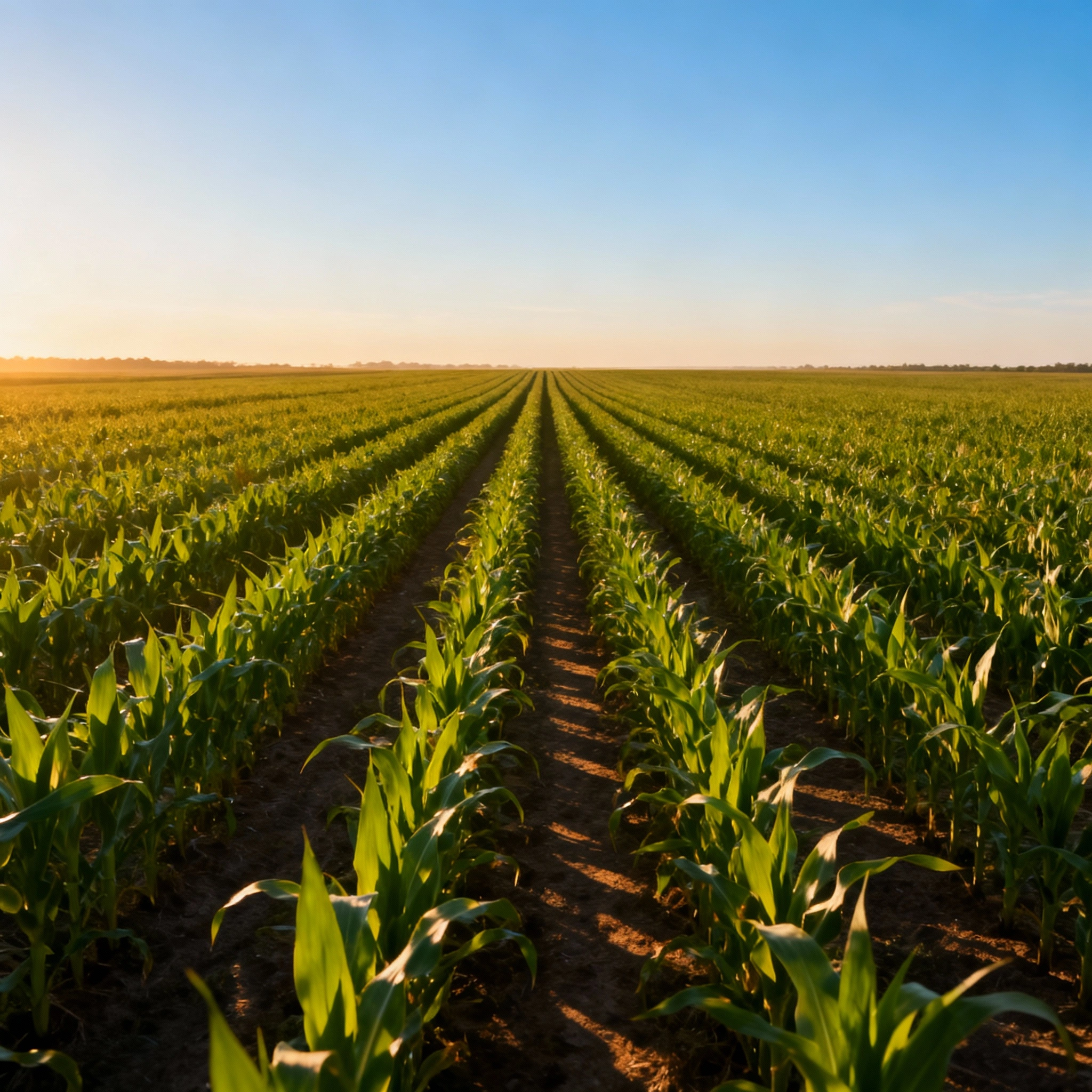
Breaking down starch into glucose using specialized enzymes
Microbial conversion of glucose to high-purity lactic acid
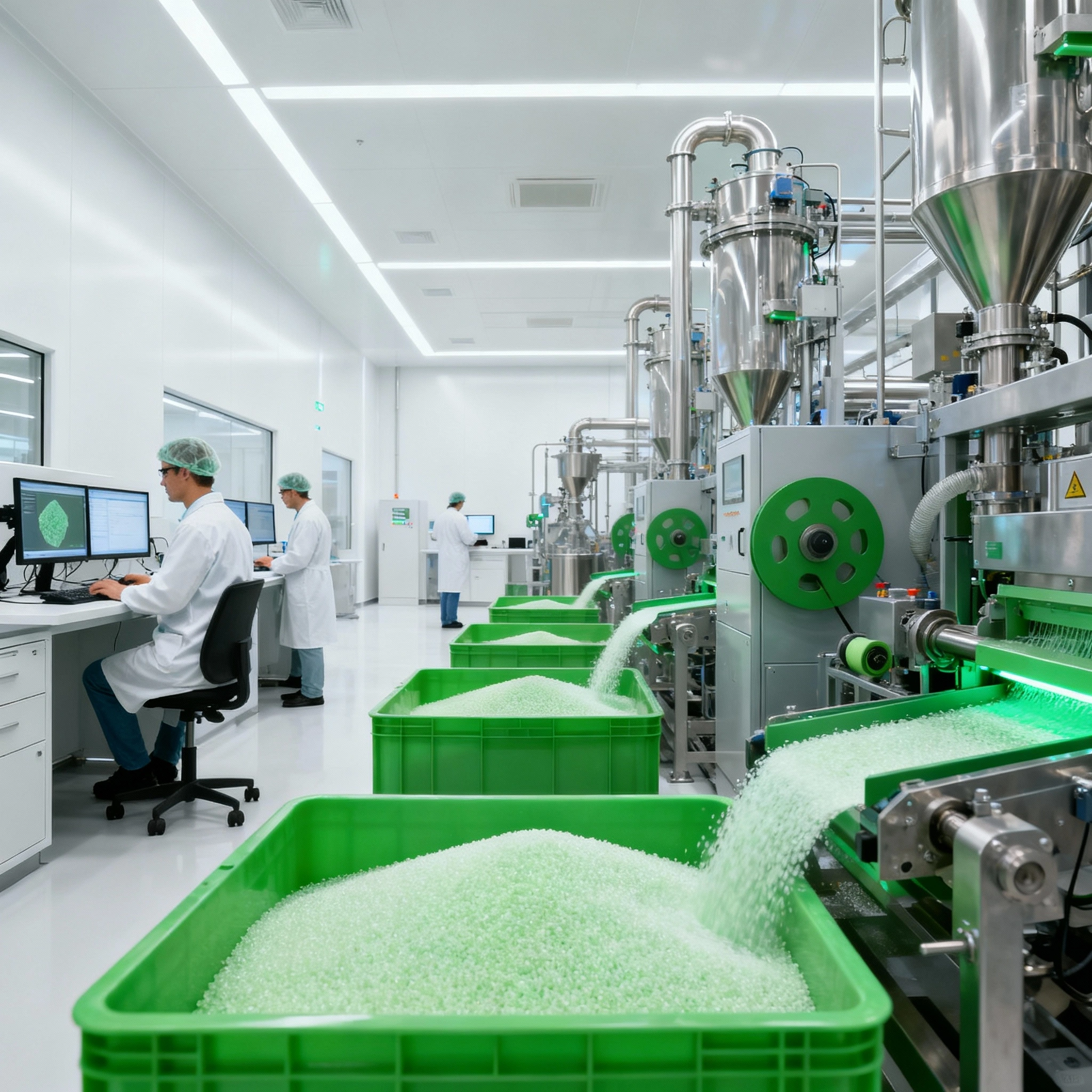
Advanced purification and concentration of lactic acid
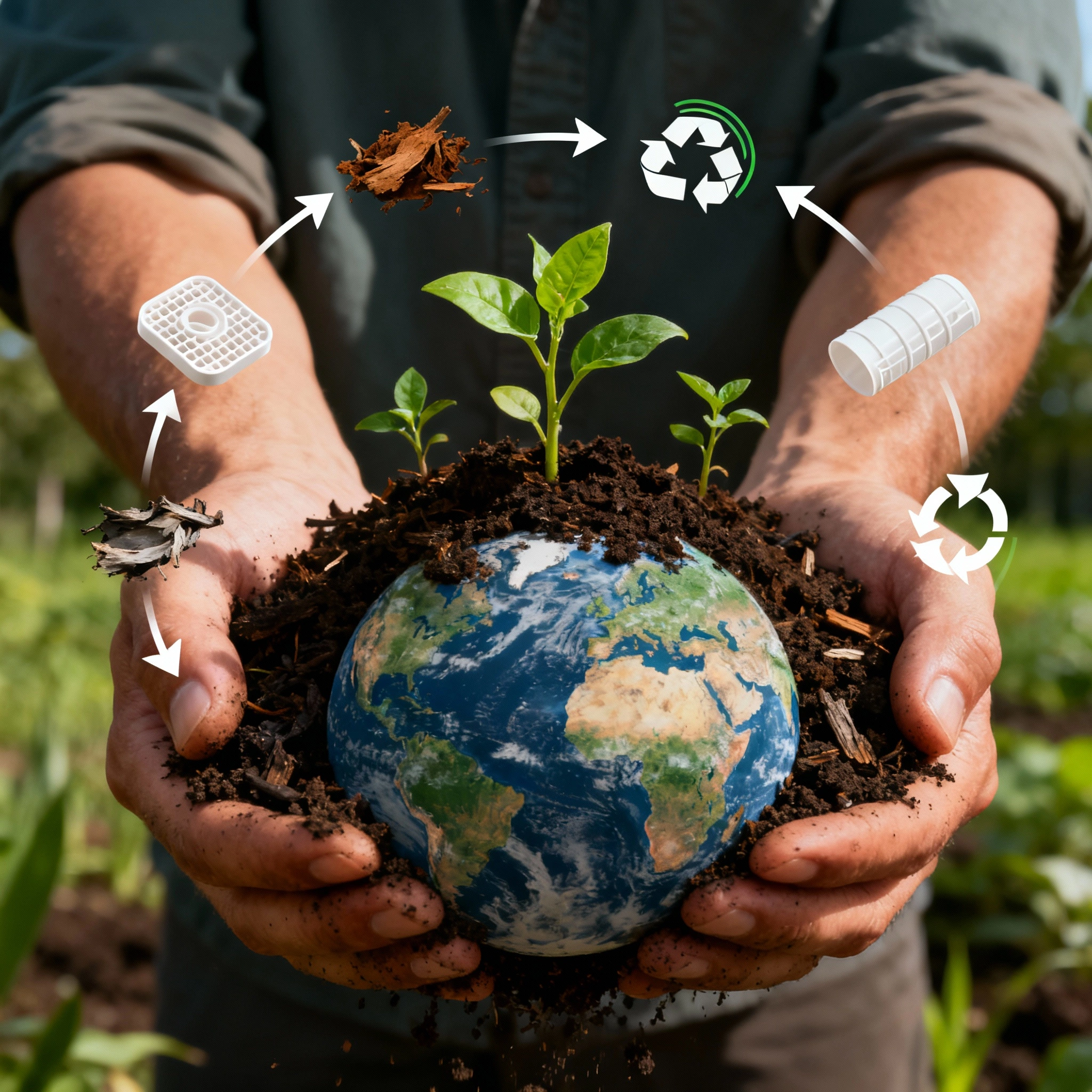
Catalytic dehydration and cyclization to form lactide monomers
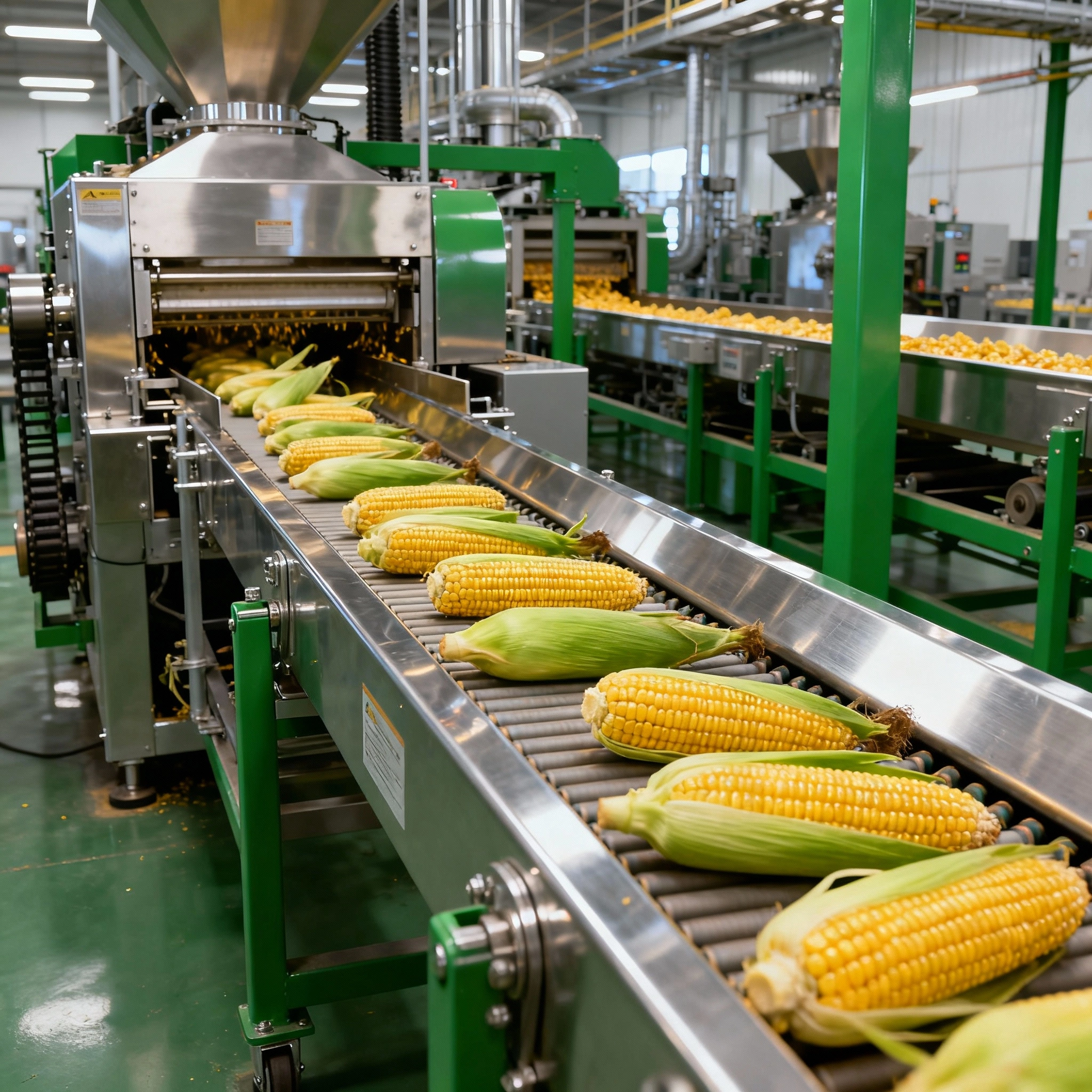
High-temperature polymerisation of lactide to produce PLA polymer chains
Molten PLA extruded, cooled, and cut into pellets. Quality control and packaging.
Corn, sugarcane, or cassava from sustainably managed agricultural sources
Mechanical and enzymatic extraction of starch from agricultural feedstock
Breaking down starch into glucose using specialized enzymes
Microbial conversion of glucose to high-purity lactic acid
Advanced purification and concentration of lactic acid
Catalytic dehydration and cyclization to form lactide monomers
High-temperature polymerisation of lactide to produce PLA polymer chains
Molten PLA extruded, cooled, and cut into pellets. Quality control and packaging.
Our manufacturing facility creates jobs for freshers in biotechnology, chemical engineering, quality control, and operations. Through comprehensive training programs and industry-academia partnerships, we're building India's skilled biotech workforce while producing specialized PLA blends with complete end-of-life solutions.
Creating jobs, fostering collaboration, and pioneering sustainable solutions
Driving India's biotechnology revolution by establishing the nation's first industrial-scale PLA plant. Creating a robust ecosystem for biotech innovation, supporting Atmanirbhar Bharat while generating skilled employment opportunities.
Creating jobs for freshers in biotechnology, chemical engineering, quality control, and manufacturing. Our comprehensive training programs develop skilled professionals ready to lead India's bioplastics industry.
Strategic partnerships with research institutions foster innovation. Joint R&D programs, internships, and knowledge transfer accelerate biotech advancement and create opportunities for young talent.
Comprehensive end-of-life management through industrial composting, mechanical recycling, and biogas conversion. Converting used PLA into renewable energy, biofertilizers, and valuable resources for circular economy.
Developing 10+ specialized PLA formulations for diverse applications: high-heat resistant grades, flexible films, rigid packaging, medical-grade materials, and custom blends tailored to specific industry requirements.
Production integrated with renewable energy and energy storage systems, with focus on agricultural waste valorization. Supporting farmers through corn procurement, creating rural employment, and establishing sustainable supply chains across India.
By partnering with Encode Life, you're supporting India's biotechnology growth, creating employment for fresh graduates, advancing industry-academia collaboration, and contributing to a circular economy with comprehensive end-of-life solutions.
Partner with us to create jobs, drive innovation, and build sustainable solutions for India's future.
Partner With UsHave questions about PLA bioplastics or interested in partnership opportunities? We're here to help and typically respond within 24 hours.
We'll get back within 24h.